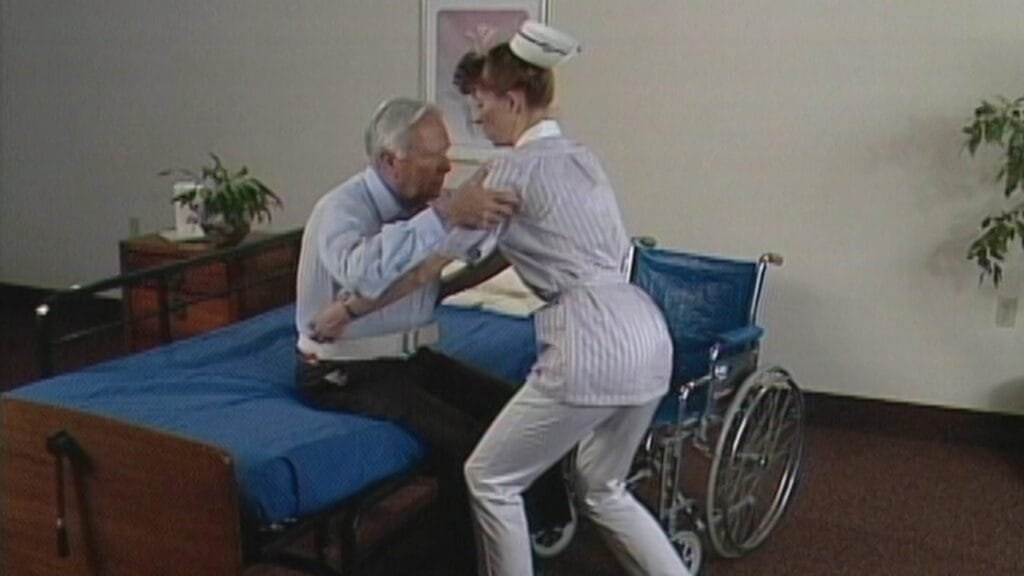
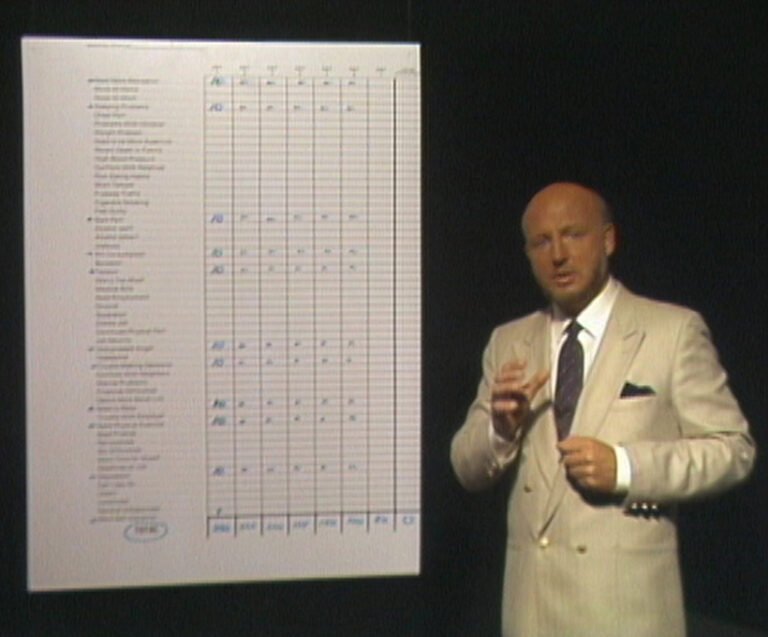
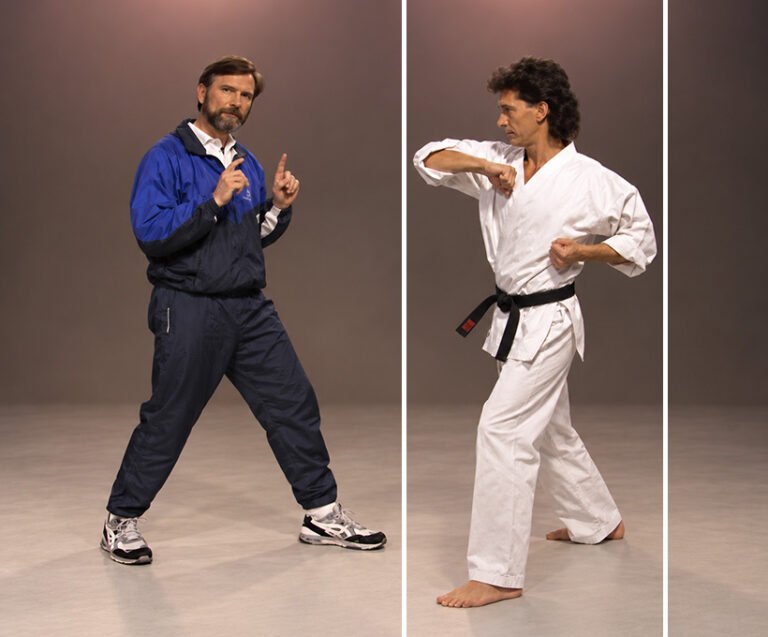
Not sure where to start?
Try the Personal Concerns Inventory (PCI) to clarify what to focus on, or start with Relaxation Therapy for guided meditation.

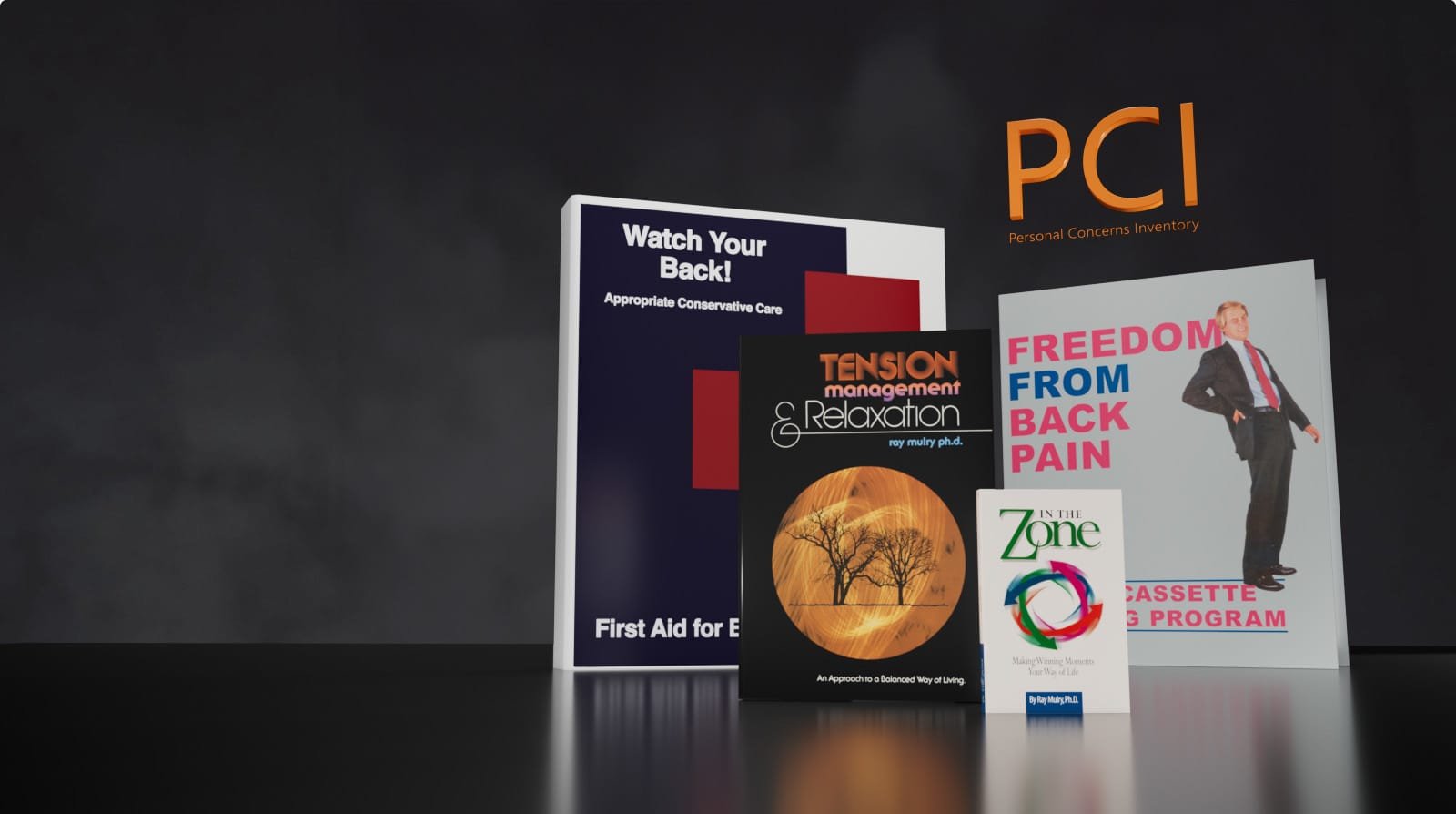
Dr. Mulry’s Backcare Programs teach a practical approach to caring for your back through relaxation, awareness, correct movement, flexibility, and strength during everyday activity.
His work in this area began in 1976 with Tension Management & Relaxation: An Approach to a Balanced Way of Living and continued through the development of the Freedom From Back Pain programs.
Central to this approach are several practical skills Dr. Mulry taught throughout his Backcare programs: Position of Comfort, Stomach Breathing, Position of Strength, The Back Safety Zone, and correct movement. Together, they teach you how to reduce unnecessary tension, protect your back during movement, and use your body more effectively.
Back care is not something you think about only when pain occurs. How you breathe, sit, stand, bend, lift, carry, exercise, and respond to physical tension all become opportunities to practice.
The goal is to become Relaxed, Balanced, Flexible, and Active. Many of these principles were later developed further through the four In The Zone Peak Performance Skills.
Freedom From Back Pain is an uncommon solution to a common problem. Designed for everyone, not just those with recurring back problems, it teaches practical skills for preventing unnecessary strain on your back.
Dr. Mulry’s approach begins with awareness. You learn to recognize muscular tension, understand how you are using your body, and distinguish between positions and movements that place you in a Position of Strength or a Position of Weakness.
You’ll learn how to:
Whether you are addressing back discomfort or working to prevent future problems, the program provides a practical, drug-free approach to supporting long-term back health.
One of Dr. Mulry’s most important Backcare principles was:
Correct movement is exercise.
Back care does not begin and end with a workout. Every time you stand up, sit down, bend, lift, carry something, reach, or change position, you are using your body. Dr. Mulry taught these common movements from the Position of Strength: back straight, knees bent. When bending or lifting, keep the weight close to your body, use the power of your stomach and thighs, and keep your chest forward and head up to help maintain the natural inward curve of the lower back.
These principles apply far beyond lifting. They can be practiced when getting out of a chair, picking something up, carrying groceries, moving an object, working around the house, or exercising. Learning correct movement turns ordinary activity into an opportunity to practice. Instead of separating exercise from everyday life, you learn to reinforce effective movement throughout the day.
This is also an important part of the Mulry Method approach to Self-Learning. You become more aware of what you are doing, practice a more effective response, observe what happens, and continue adjusting through experience. Together, these skills contribute to what Dr. Mulry called Total Readiness, a state of mental, physical, and emotional preparedness for action.
Back health involves more than muscles and joints. Dr. Mulry taught that unnecessary muscular tension can affect how you breathe, hold your body, and move.
That is why relaxation is an important part of Backcare. Position of Comfort and Stomach Breathing provide a practical starting point. Position of Comfort helps support the body while Stomach Breathing helps you recognize and release unnecessary muscular tension.
Relaxation Therapy develops this further through three stages: Breathing Exercises, Muscle Relaxation, and Meditation and Dreamlike States.
As you become more familiar with the difference between tension and relaxation, you can begin applying that awareness outside the relaxation session. The goal is not simply to relax while lying down. It is to recognize unnecessary tension and carry greater relaxation and awareness into sitting, standing, movement, exercise, and everyday activity.
In Dr. Mulry’s Backcare approach, relaxation and movement work together. You learn when to relax, when to use strength, and how to move without unnecessary tension.
Dr. Mulry’s Backcare Programs are more than a collection of exercises. They teach you to become more aware of how you use your body and to learn through your own experience.
You practice skills such as Position of Comfort, Stomach Breathing, Position of Strength, correct movement, flexibility, and relaxation. Through experience, you become better at recognizing unnecessary tension or strain and choosing a more effective response.
This same approach continues throughout the Mulry Method. Relaxation Therapy develops awareness of breathing and muscular tension, while In The Zone Skills Training builds on many of the same principles through Relaxed, Power, Elastic, and Focused Moves.
The goal is to take an active role in caring for your back by developing skills you can continue to use and refine through experience.
The programs may be useful for people managing recurring or chronic back discomfort because they emphasize relaxation, body awareness, movement, flexibility, and safer everyday mechanics.
Persistent, severe, or unexplained back pain should also be evaluated by an appropriate healthcare professional. The Backcare Programs are educational resources and are not a substitute for individualized medical care.
Most of the techniques emphasize natural movement, body awareness, relaxation, and practical activities that can be performed at home or work. Individual programs explain any materials or equipment needed for particular exercises.
Physical therapy provides individualized evaluation and treatment from a licensed healthcare professional.
Dr. Mulry’s Backcare Programs are self-directed educational programs that teach relaxation, movement, body mechanics, flexibility, strength, and prevention skills. They can complement appropriate professional care while helping you take a more active role in how you care for your back every day.
Yes. The Centered Human Being is the best place to begin because it introduces the foundational principles used throughout the Freedom From Back Pain series. From there, you can continue through the other programs as you develop greater awareness and skill.
“I am honored to share my method with you and others who seek to improve their well-being through knowledge and practice.”