Not sure where to start?
Try the Personal Concerns Inventory (PCI) to clarify what to focus on, or start with Relaxation Therapy for guided meditation.

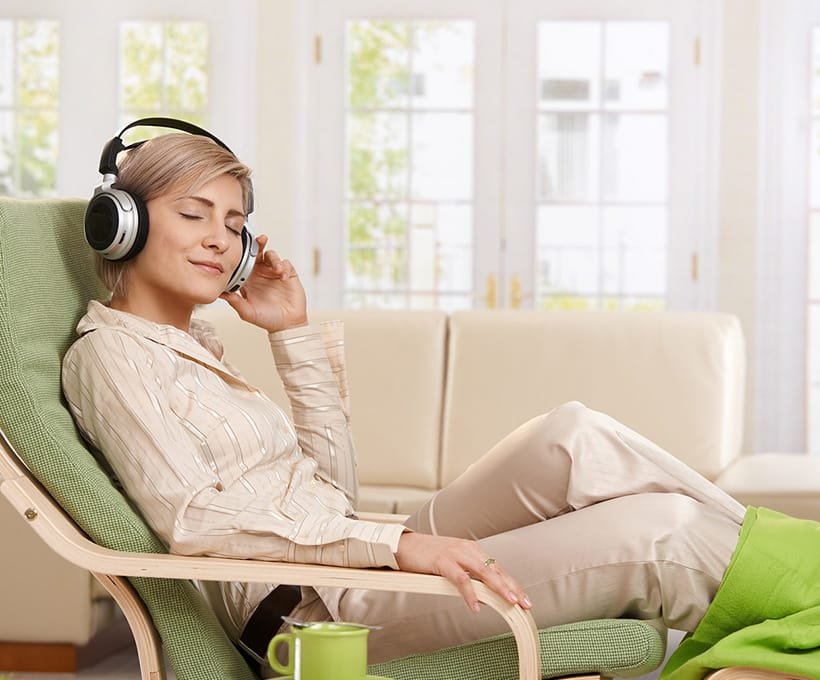
When Dr. Reaume Carroll Mulry introduced the term Relaxation Therapy in 1976, many people asked why he called it therapy. His answer was simple: “Because it is the therapy of the future.”
That prediction has become reality. Today, relaxation exercises are used throughout healthcare and many areas of performance training. Meditation, mindfulness, yoga, breathing exercises, and other natural approaches have become valuable tools for managing stress and restoring balance.
What do these practices have in common? They help activate the Parasympathetic Division of the Autonomic Nervous System (ANS), the part of the body responsible for rest, recovery, and restoration.
While these approaches may use different methods, the foundation is similar. They combine awareness, rhythm, breathing, and attention to help the body move from tension toward balance.
“There were rhythms on this planet long before there were ballrooms.” – Philip Wylie
Rhythm exists throughout nature. The movement of tides, the beating of the heart, and the patterns of breathing all demonstrate the importance of repetition and timing.
Natural sounds often create a calming effect because they connect with these internal rhythms. The steady sound of rain, the movement of ocean waves, or the nighttime sounds of insects can help quiet the conscious mind and allow deeper relaxation.
Repetition is powerful because it gives the mind something simple and predictable to follow. This principle is found in meditation, hypnosis, and Relaxation Therapy. A consistent rhythm helps reduce mental distractions and supports a more balanced state of awareness.
The ocean has always been one of nature’s greatest examples of rhythm. While the sights, smells, and atmosphere of the coast contribute to relaxation, the steady movement of the waves provides a powerful auditory pattern.
When developing Relaxation Therapy, Dr. Mulry traveled for hours searching for and recording the ideal rhythmic surf sounds. These recordings became a central part of the practice, guiding listeners through each stage of relaxation.
The ocean’s natural rhythm mirrors the rise and fall of breathing. By combining these sounds with focused attention and relaxation techniques, RT creates an environment where the nervous system can settle and the mind can become calm.
Relaxation Therapy can be practiced whenever you need to restore focus and balance.
A short session at the end of the day can help release accumulated tension. Before a presentation, competition, or challenging task, a few minutes of focused breathing can help create a calmer and more centered state.
RT is simple to learn and adaptable to many situations. Like any skill, the benefits grow through regular practice. Over time, relaxation becomes easier to access, helping you respond to challenges with greater composure and control.
Relaxation Therapy provides the foundation for In The Zone Skills Training, which develops four core skills: Relaxed Moves, Power Moves, Elastic Moves, and Focused Moves.
These skills combine physical awareness, mental focus, and emotional balance. They are used by athletes, musicians, performers, and professionals who need to remain calm and effective under pressure.
Relaxation does not mean doing less. It means removing unnecessary tension so that movement, thought, and emotion can work together more effectively.
Periodicity refers to the natural tendency for events to occur in regular patterns. This principle is central to Relaxation Therapy.
Controlled breathing, rhythmic sounds, and repeated movements all demonstrate how regular patterns influence the connection between mind and body. These rhythms can help create a state of calm awareness that supports recovery and focus.
Plato described this concept as the “Order Of Movement,” recognizing that rhythm and balance are fundamental parts of nature.
Rhythm appears everywhere:
In each example, relaxation supports performance. The goal is not inactivity but efficient action.
Relaxation Therapy helps people develop the ability to remain relaxed, balanced, flexible, and focused. This state is what we call In The Zone, where preparation and performance come together naturally.
To explore these ideas further, read the In The Zone E-Book.
Relaxation Therapy is best understood through experience. The practice consists of three stages designed to guide you toward deeper relaxation.
This audio sample includes the first two minutes of Stage 1, a foundational breathing exercise that introduces the RT process.
For the best experience, use headphones.
Relaxation Therapy is built on the connection between rhythm, breathing, attention, and the Autonomic Nervous System.
By aligning these elements, RT provides a practical method for reducing stress, improving focus, and developing greater awareness of the body and mind.
Nature constantly demonstrates the importance of rhythm. From the movement of waves to the patterns of breathing, these cycles remind us that calm and energy can exist together.
Whether used for performance, recovery, or daily relaxation, Relaxation Therapy offers a lifelong method for restoring balance.
Continue exploring the Relaxation Therapy collection or learn more about what Relaxation Therapy is and how it works.
